Bangladesh, a country rich in culture and history, has a long and tumultuous journey towards gaining its independence. This struggle for freedom dates back to the 18th century when the British East India Company gained control over Bengal, including present-day Bangladesh. The people of the region faced various forms of oppression under British rule, leading to numerous revolts and uprisings.
In 1947, India was granted independence from British colonial rule, and the region that is now Bangladesh became part of Pakistan. However, the people of East Bengal, the majority of whom were Bengali Muslims, faced discrimination and neglect from West Pakistan, the ruling faction. This led to the formation of the Awami League, a political party that aimed to establish a separate identity for East Bengal and protect the rights of its people.
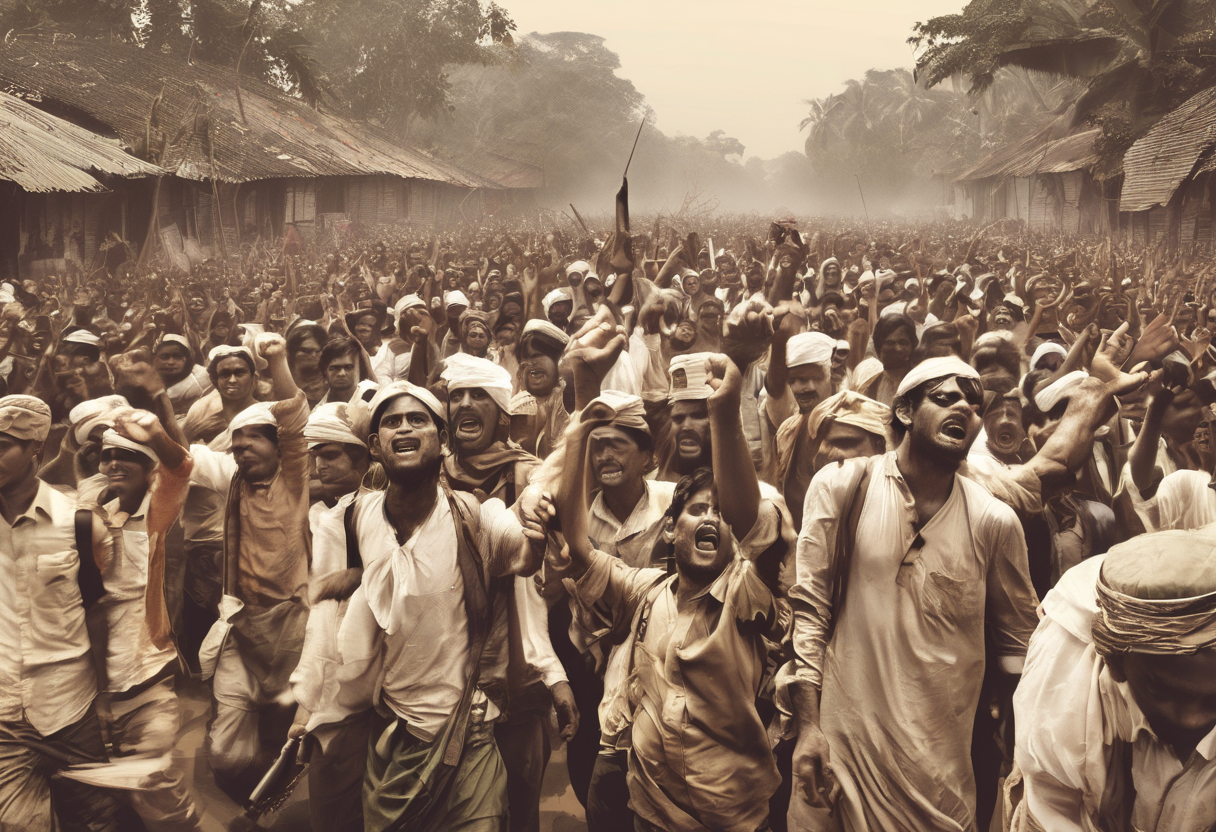
On March 25, 1971, the Pakistani military launched a brutal crackdown on the people of East Bengal in an attempt to suppress their demands for autonomy. This marked the beginning of the Bangladesh Liberation War, a nine-month-long armed struggle that ultimately resulted in the independence of Bangladesh on December 16, 1971. The war was a result of the valiant efforts of the Bengali people, who fought against all odds to claim their right to self-determination.
Even though Bangladesh officially gained independence in 1971, the country has faced its fair share of challenges and struggles in the years that followed. However, the spirit and resilience of the Bengali people during the Liberation War continue to inspire future generations and serve as a reminder of the long road to freedom that led to the birth of their nation.